
Pioneering sustainable and high-quality garment manufacturing since 2013. Discover our commitment to excellence.
Explore how cutting-edge design and sustainable practices are reshaping the textile and garment industry. Each project showcases a unique approach to modern manufacturing, from eco-friendly materials to digital tailoring.
More Projects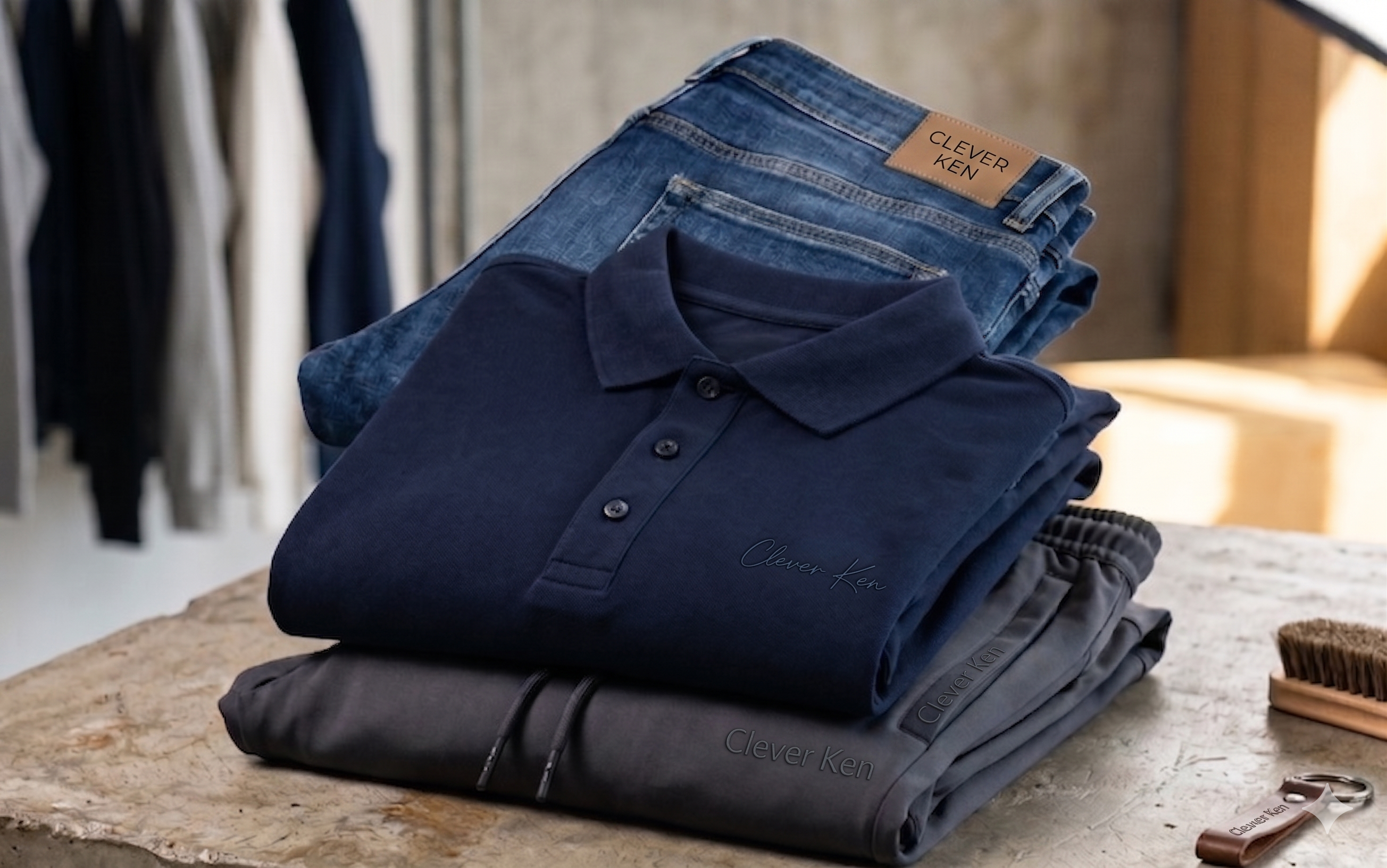
This project introduced natural dyeing methods that significantly reduce water usage and chemical waste.
Read More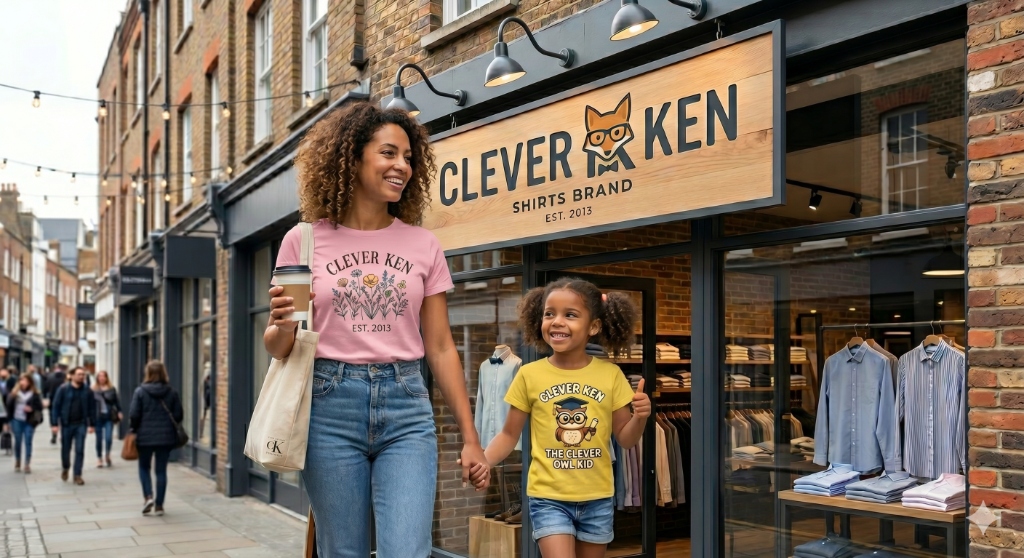
A streamlined production process using AI-driven sewing machines to increase efficiency and minimize defects.
Read More
A shift from traditional printing to high-resolution digital printing for precise and customizable textile patterns.
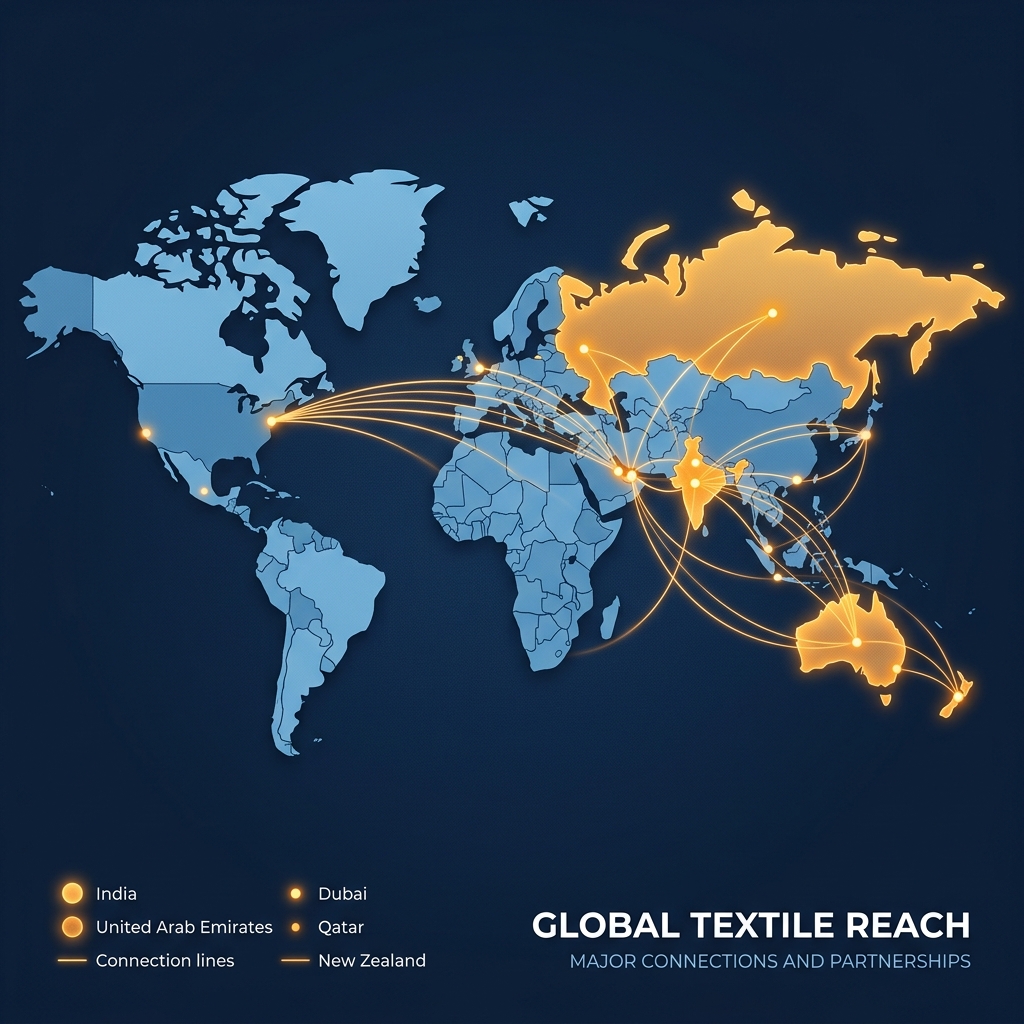
Read MoreWith 25+ outlets across India and a robust export network, Clever Ken delivers premium garments to customers worldwide. Our quality products reach international markets across multiple continents.
Let's discuss how we can streamline your supply chain and
boost product value.
The most commonly used materials include cotton, polyester, silk, wool, and blends of synthetic and natural fibers. Cotton is favored for its softness and breathability, while polyester is appreciated for its durability and wrinkle resistance. Sustainable alternatives like bamboo fabric and organic cotton are also gaining popularity due to environmental concerns.
The process generally involves spinning raw fibers into yarn, weaving or knitting the yarn into fabric, dyeing and finishing the fabric, and finally cutting and sewing the fabric into garments.
Sustainability focuses on reducing water consumption, minimizing chemical waste, utilizing eco-friendly materials, and ensuring fair labor practices throughout the supply chain.
Quality control ensures consistency, durability, and safety of the final product, directly impacting customer satisfaction and brand reputation.
Clever Ken exports to the USA, India, Europe, UAE, Africa, Australia, New Zealand, Dubai, Qatar, and Russia. With 25+ retail outlets across India and a growing international presence, we cater to diverse global markets with premium quality garments including our signature range of 50+ cloths varieties.